Concrete Polishing vs Epoxy Coatings Explained
People searching for concrete polishing vs epoxy coatings explained are typically seeking durable, attractive flooring solutions, and local contractors can help them choose and install the right option.
If you're exploring options to upgrade your property's flooring, understanding the differences between concrete polishing and epoxy coatings is an important first step. Both solutions offer durable and attractive finishes, but they serve different needs and aesthetic preferences. Property owners in the area often consider these options for garages, warehouses, retail spaces, or even residential areas, seeking a surface that balances appearance with practicality. This page is here to help clarify how each method works, so you can make an informed decision that aligns with your property's use and your personal style.
As you continue reading, you'll discover practical insights into the benefits and considerations of concrete polishing versus epoxy coatings. Local service providers specialize in these techniques, offering expertise to help achieve the desired look and durability for your floors. Whether you prioritize a sleek, low-maintenance surface or a high-gloss finish that enhances the space, understanding the differences can guide you toward the right choice. Keep exploring to find out how local contractors can assist in bringing your flooring vision to life.
- Concrete polishing services are ideal for those seeking a durable, low-maintenance finish for commercial or industrial floors, with local contractors focusing on achieving a smooth, glossy surface. Epoxy coatings are often chosen for spaces that require seamless, chemical-resistant surfaces, with local pros applying specialized coatings to enhance durability and appearance. When evaluating concrete polishing vs epoxy coatings explained, individuals needing a long-lasting, aesthetically appealing floor may turn to local service providers for tailored solutions. Local contractors approach concrete polishing with grinding and polishing techniques to reveal the natural concrete, while epoxy coating specialists focus on surface preparation and precise application for a flawless finish. Those comparing these options can rely on local pros to recommend the best approach based on the specific needs and usage of the space.
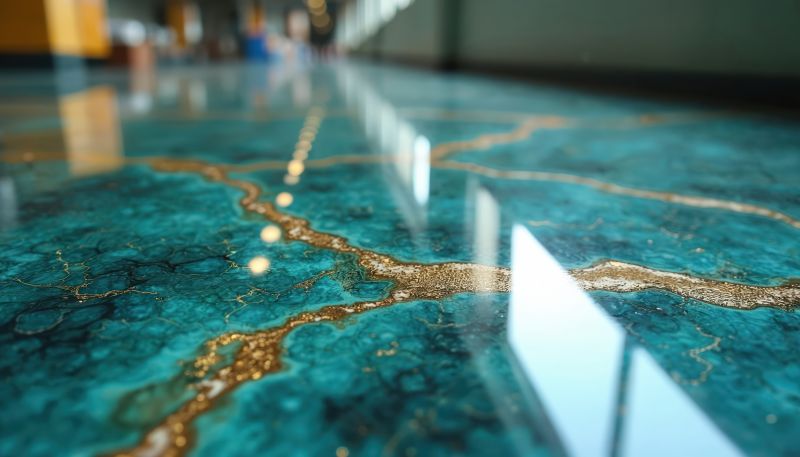
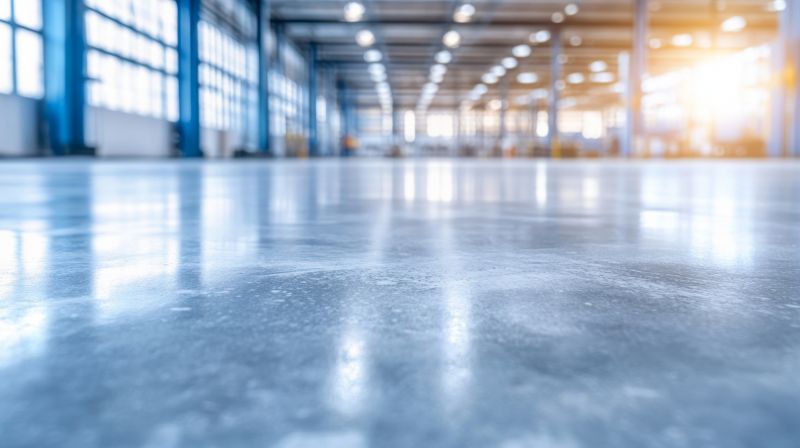

When people search for concrete polishing vs epoxy coatings explained, they are often trying to understand the differences between these two popular options for improving concrete floors. Many homeowners and property owners are exploring ways to enhance the appearance, durability, and functionality of their concrete surfaces, whether for garages, basements, commercial spaces, or outdoor patios. The search usually stems from a desire to find a solution that aligns with their specific needs, whether that’s a glossy finish, increased resistance to wear, or a more decorative look. Understanding the fundamental distinctions helps in making informed decisions about which service provider to hire and what kind of results to expect.
This comparison often relates to common property problems or renovation plans. For instance, a homeowner might want a more polished look for their basement or garage while needing a surface that can withstand heavy foot traffic or vehicle use. Others may be considering decorative upgrades for commercial floors to improve aesthetics and safety. The choice between concrete polishing and epoxy coatings can also be influenced by existing surface conditions, such as cracks or stains, and the long-term goals for the space. Local service providers can assess these factors and recommend the best approach, whether it involves polishing the existing concrete or applying a durable epoxy coating for a seamless, protective layer.
Properties that typically come up in concrete polishing vs epoxy coatings explained discussions include garages, warehouses, retail stores, and outdoor patios. These spaces often require surfaces that are both functional and visually appealing. Concrete polishing is favored in areas where a sleek, reflective surface is desired, often highlighting the natural beauty of the concrete while providing a smooth, easy-to-clean finish. Epoxy coatings, on the other hand, are popular in environments that need a high level of chemical resistance, slip resistance, or customization with color and patterns. Local contractors experienced in these services can evaluate the specific property and recommend solutions that enhance both the look and performance of the floor.
For homeowners and property managers, understanding how concrete polishing and epoxy coatings connect to real projects can clarify the scope of work and the kind of professional help needed. Concrete polishing is typically best suited for spaces where a polished, high-gloss finish is desired, and the existing concrete is in good condition. Epoxy coatings are often chosen for their durability and ability to conceal imperfections, making them ideal for high-traffic or industrial settings. Whether a project involves upgrading a residential garage or refurbishing a commercial floor, connecting with local pros who specialize in these services ensures the right treatment for the property’s unique needs and goals.
Garage Floor Resurfacing - local contractors specializing in garage floor upgrades often use concrete polishing or epoxy coatings to enhance durability and appearance.
Industrial Warehouse Flooring - service providers working on large-scale industrial floors utilize concrete polishing and epoxy coatings for long-lasting, easy-to-maintain surfaces.
Commercial Retail Space Renovations - local pros frequently apply epoxy coatings or polished concrete to create attractive, functional flooring in retail environments.
Basement Finishing Projects - contractors experienced in basement upgrades often recommend concrete polishing or epoxy coatings for moisture-resistant, stylish floors.
Industrial Kitchen Flooring - specialists in food service environments use epoxy coatings or polished concrete to meet hygiene standards and withstand heavy use.
Outdoor Patio and Walkway Surfaces - local service providers may install decorative epoxy or polished concrete finishes to improve outdoor aesthetic and durability.
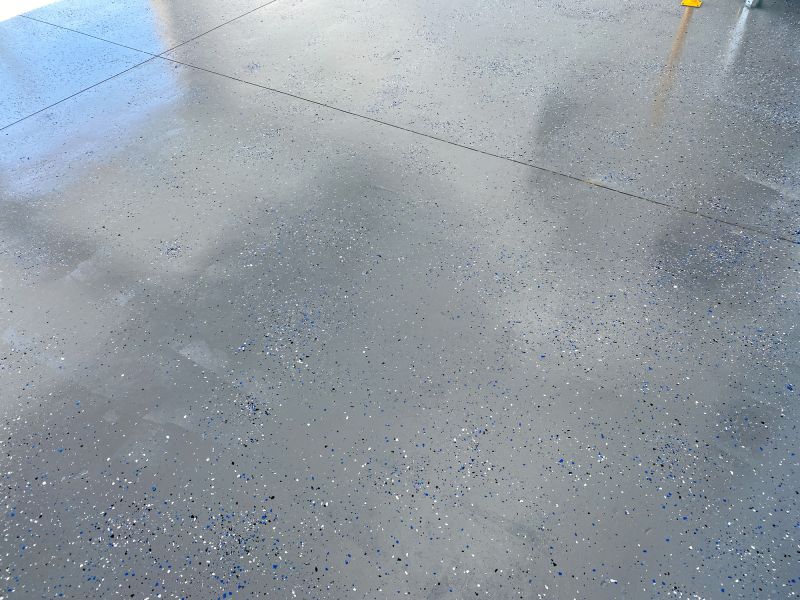
When comparing local contractors for concrete polishing versus epoxy coatings, it’s important to evaluate their experience with similar projects. Homeowners should inquire about the types of surfaces they have worked on and the results they have achieved, ensuring that the service providers are familiar with the specific requirements of each finishing method. A contractor’s history with comparable jobs can provide insight into their skill level and familiarity with the techniques involved, helping to determine if they are capable of delivering the desired outcome.
Clear written expectations are essential when choosing between concrete polishing and epoxy coatings. Homeowners should seek detailed descriptions of the scope of work, including surface preparation, the materials used, and the expected finish. Having a comprehensive understanding of what each service entails helps in comparing proposals and ensures that all parties are aligned on the project’s goals. Service providers who can articulate their process clearly and provide detailed plans are often more reliable in meeting project expectations.
Reputable references and effective communication are key factors in selecting the right local contractor. Homeowners are encouraged to ask for references from previous clients who had similar work completed, as this can offer valuable feedback on the quality and reliability of the service provider. Additionally, good communication-such as prompt responses to questions and transparent discussions about options-can make the process smoother and reduce misunderstandings. Choosing a contractor who demonstrates professionalism and responsiveness can contribute significantly to a successful project outcome in either concrete polishing or epoxy coatings.
Property owners often search for concrete polishing vs epoxy coatings explained when they are planning practical projects around their homes and businesses. Local pros provide Epoxy Coatings or Concrete Polishing services for everyday jobs and straightforward project options.
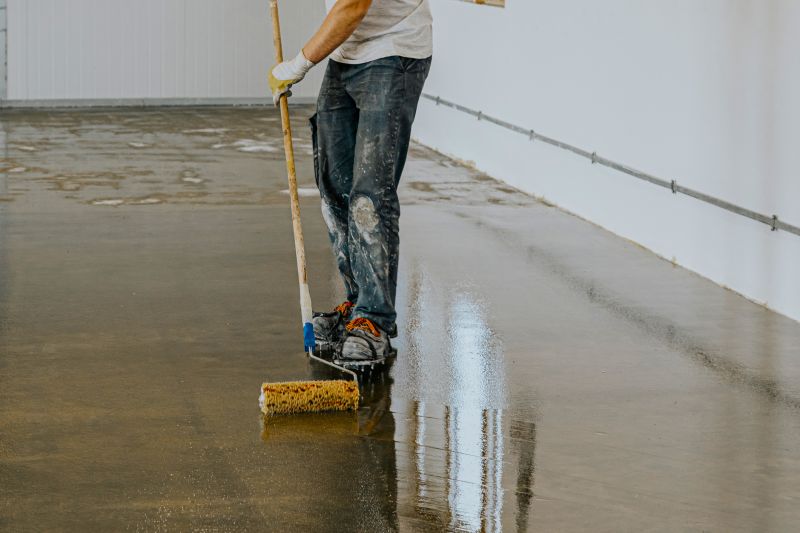
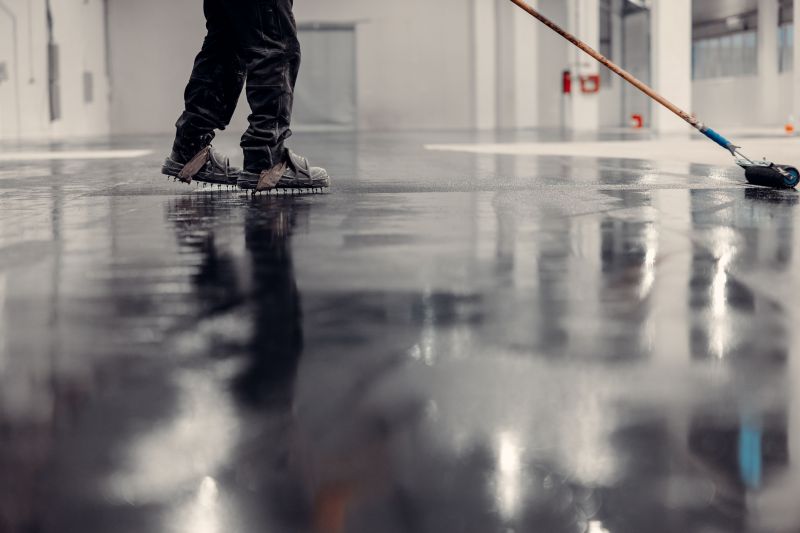
When considering options for upgrading a concrete surface, property owners often explore concrete polishing versus epoxy coatings to determine the best solution for their needs. For those seeking a durable, low-maintenance finish that enhances the natural look of concrete, local contractors offering concrete polishing can provide a sleek, polished surface ideal for residential garages, retail spaces, or industrial floors. On the other hand, property owners interested in adding color, texture, or a seamless protective layer might look into epoxy coatings, which are popular for creating vibrant, long-lasting surfaces in areas like basements, warehouses, or commercial kitchens. Understanding the differences helps in choosing the right service provider to achieve the desired appearance and performance.
Many local service providers can assist property owners in making an informed decision based on their project requirements. Concrete polishing services tend to focus on grinding down and polishing the existing concrete to reveal a smooth, shiny finish that enhances the concrete’s natural qualities. Epoxy coating specialists, meanwhile, apply a resilient resin layer that can be customized with colors and textures to suit aesthetic preferences and functional needs. Whether the goal is a refined, glossy surface or a colorful, protective coating, connecting with experienced local contractors ensures the right techniques and materials are used to meet specific project goals.
What is the main difference between concrete polishing and epoxy coatings? Concrete polishing involves grinding and buffing the existing concrete surface to achieve a smooth, glossy finish, while epoxy coatings involve applying a durable resin layer over the concrete for enhanced protection and appearance.
Which option is better for high-traffic areas? Epoxy coatings are often preferred for high-traffic areas due to their strong resistance to wear and chemicals, whereas concrete polishing provides a resilient surface with a polished aesthetic.
Can local contractors customize the look with either option? Yes, both concrete polishing and epoxy coatings can be customized with various colors, finishes, and decorative elements, allowing local service providers to create tailored designs.
Are concrete polishing and epoxy coatings suitable for industrial spaces? Both options are suitable for industrial environments; concrete polishing offers a low-maintenance, professional appearance, while epoxy coatings provide added protection against spills and abrasions.
How do local service providers determine which option is best? Professionals assess factors such as the condition of the existing concrete, usage requirements, and desired aesthetics to recommend either concrete polishing or epoxy coatings for the space.
Choosing the Right Finish - Property owners can consider concrete polishing for a glossy, durable surface ideal for high-traffic areas like garages or showrooms, while epoxy coatings work well for colorful, seamless floors in basements or commercial spaces.
Assessing Durability Needs - Homeowners planning a space that requires scratch and stain resistance might opt for epoxy coatings, whereas those seeking long-lasting shine with minimal maintenance could prefer concrete polishing services.
Design and Aesthetic Goals - Individuals wanting a customized look with vibrant colors and patterns might explore epoxy coatings, while a sleek, natural concrete appearance can be achieved through professional concrete polishing.
Project Scope and Surface Condition - Local contractors can evaluate existing concrete conditions to recommend whether polishing or epoxy coatings will provide the best results for a specific project or surface type.
If you are thinking about concrete polishing vs epoxy coatings explained for a property, this guide is meant to help you understand this topic, the typical project types, and how different options might fit your plans.
When you are ready, you can use the quote form on this page to share a few details about your project. From there, local pros can review the basics and follow up with options that match what you have in mind.