Compare Local Contractors for Epoxy Flooring Installation Success
Compare local contractors for epoxy flooring installation to define project scope, verify experience, and set clear expectations for a successful outcome.
Epoxy flooring installation is a specialized service that typically involves preparing existing concrete surfaces, applying primer layers, and carefully spreading epoxy coatings to create a durable, seamless finish. This work can encompass various areas such as garages, commercial spaces, warehouses, and residential basements. Contractors may also offer additional services like surface grinding, crack repair, and the application of anti-slip additives to enhance safety and longevity. Understanding the scope of these services helps property owners communicate their needs clearly and ensures the contractor’s expertise aligns with the project requirements.
Defining the scope of epoxy flooring work is essential to establishing clear expectations and avoiding misunderstandings. A well-detailed scope includes specifics about surface preparation, the type of epoxy used, the number of coats, and any additional features like decorative finishes or textured surfaces. Having these details in writing allows property owners to compare proposals accurately, verify that all necessary tasks are included, and ensure the project aligns with their intended outcomes. Clear scope definitions also facilitate smoother communication and reduce the risk of unexpected issues during installation.
When comparing local contractors for epoxy flooring, property owners should consider experience, reputation, and the range of services offered. It’s helpful to review portfolios or references that demonstrate previous work on similar surfaces or projects. Asking service providers about their process and verifying their familiarity with the specific requirements of epoxy installation can provide insight into their expertise. Additionally, obtaining detailed written proposals that outline the scope, materials, and responsibilities allows for an objective comparison. This approach ensures that property owners select a contractor capable of delivering a quality result tailored to their space.
Compare local contractors by outlining project priorities, verifying experience, and clearly defining scope and expectations in writing.
- Compare Contractor Experience - Review the background and expertise of local contractors to ensure they have relevant experience with epoxy flooring.
- Define Project Scope Clearly - Outline the specific requirements and expectations for the epoxy installation in written agreements.
- Verify References and Past Work - Check references or previous projects to assess the quality and reliability of service providers.
- Set Expectations in Writing - Document all project details, including scope, materials, and standards, to ensure clarity and accountability.

Before comparing local contractors for epoxy flooring installation, clearly define your project scope and verify their experience.
- Verify experience and expertise in epoxy flooring installation to ensure quality workmanship. - Look for service providers with a proven track record of successful epoxy flooring projects.
- Compare scope of work and included services to ensure all project requirements are clearly addressed. - Ensure contractors specify the materials, surface preparation, and finishing details in written estimates.
- Check references or reviews to assess the reliability and professionalism of local contractors. - Gathering feedback from previous clients can provide insight into the contractor’s performance.
- Review the detailed scope of work to confirm expectations are aligned before signing any agreements. - Clear documentation helps prevent misunderstandings about the work to be performed.
- Confirm that the contractor is knowledgeable about surface preparation, application techniques, and curing processes. - Proper surface prep and application are critical for durable epoxy flooring results.
Compare local contractors’ experience, clarify project scope, and set clear expectations in writing.


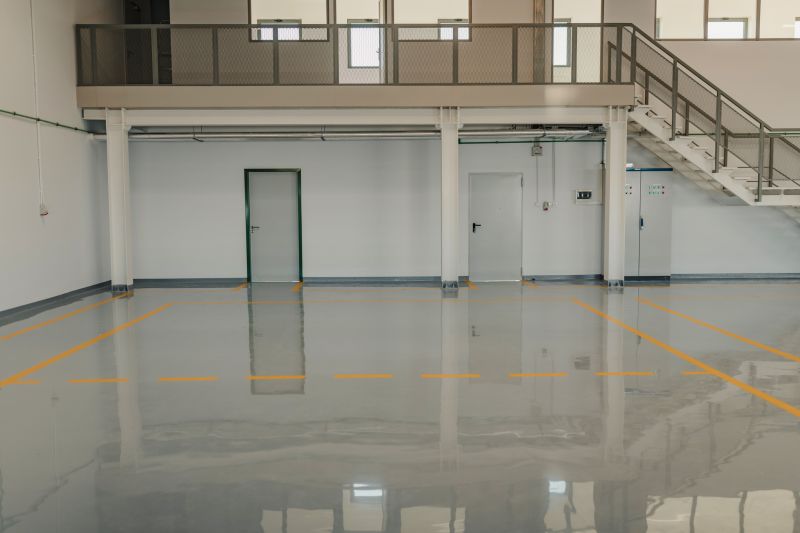

This scope builder helps compare local contractors, define project details, verify experience, and set clear expectations in writing.
- Project Scope - Clearly define the area and surface conditions where epoxy flooring will be installed.
- Material Specifications - Specify the type, color, and finish of epoxy materials to be used by the service providers.
- Preparation Requirements - Outline the surface preparation steps necessary for proper epoxy adhesion and durability.
- Installation Standards - Describe the expected application process, including thickness, curing, and surface finish.
- Warranty and Maintenance - Determine the scope of any warranties offered and recommended maintenance practices.
When comparing contractors for epoxy flooring installation, it is essential to evaluate their experience with similar projects. Homeowners should inquire about the types of surfaces they have worked on, the complexity of previous installations, and the environments in which they have operated. Contractors with a proven track record in residential or commercial epoxy flooring can demonstrate familiarity with common challenges and best practices, helping to ensure the work will meet expectations. Verifying their experience through references or project portfolios can provide additional confidence in their ability to handle specific requirements.
A clear, written scope of work is a vital component when assessing potential service providers. The scope should detail the specific tasks involved, including surface preparation, coating application, curing times, and any surface repairs or finishing touches. Having this information documented helps establish a shared understanding of what the project entails and sets clear expectations for both parties. Homeowners are encouraged to review the scope carefully to ensure it aligns with their needs and to ask for clarification or adjustments before work begins.
Verification basics are key to making an informed choice among local contractors. Homeowners should confirm that contractors have appropriate experience with epoxy flooring, and inquire about the methods and materials they plan to use. Asking about the quality of products, surface preparation techniques, and environmental conditions during installation can help assess the reliability of the contractor’s approach. Additionally, requesting references or testimonials from previous clients can provide insights into their professionalism and work quality, aiding in the verification process.
Evaluating options without focusing on prices involves examining the overall quality and suitability of each contractor’s proposal. Homeowners should compare the clarity of scope, the experience demonstrated, and the professionalism of communication. It is also helpful to consider how well each contractor understands the project’s specific needs and whether their approach aligns with the homeowner’s expectations. By focusing on these factors, homeowners can identify service providers who are most capable of delivering a successful epoxy flooring installation that meets their standards.
Ask contractors to provide written scope details to ensure clear expectations and consistent project understanding.
- Experience and Qualifications - What specific experience do local contractors have with epoxy flooring installation?
- Scope of Work - How clearly does the contractor define the scope and materials included in the project?
- Project Expectations - Are the project deliverables and responsibilities outlined in writing to ensure mutual understanding?
- Comparison Criteria - What key factors should be used to compare different service providers' approaches and expertise?
- Communication and Clarifications - How will the contractor handle questions or changes during the installation process?
What should I consider when choosing a contractor for epoxy flooring installation? It's important to review their experience with similar projects, verify their reputation through references or reviews, and ensure they clearly define the scope of work in writing to set proper expectations.
How can I compare different epoxy flooring contractors effectively? Comparing contractors involves examining their past work, understanding their process, and requesting detailed descriptions of the services they provide to ensure consistency and transparency.
Why is it important to define the scope of work with a contractor beforehand? Clearly outlining the scope helps prevent misunderstandings, ensures all necessary tasks are included, and provides a basis for agreement on what the project entails.
What questions should I ask a contractor before hiring for epoxy flooring? Ask about their experience with epoxy projects, the materials they use, their approach to surface preparation, and how they handle potential issues that may arise during installation.
How can I verify a contractor's experience with epoxy flooring? Seek references from previous clients, review their portfolio of completed projects, and inquire about the types of epoxy systems they have worked with to gauge their expertise.
What is the benefit of having a written agreement with a contractor? A written agreement helps ensure all project details, responsibilities, and expectations are documented, reducing the risk of disputes and providing clarity throughout the process.
This page has outlined key considerations for selecting contractors to handle epoxy flooring installation, including how to clearly define the scope of work, verify experience, and ensure all details are documented in writing. By understanding these steps, visitors can make informed comparisons among local service providers and choose the right contractor for their project. Using the quote form allows for easy access to local options, helping to connect with experienced contractors who can meet specific needs.
Utilizing the provided quote form is a practical way to explore and compare local contractors specializing in epoxy flooring installation. It offers an efficient method to gather information and evaluate options based on the scope of work and experience. Taking this step can help ensure that the project is planned with clear expectations and that the chosen service providers are well-suited to handle the job.